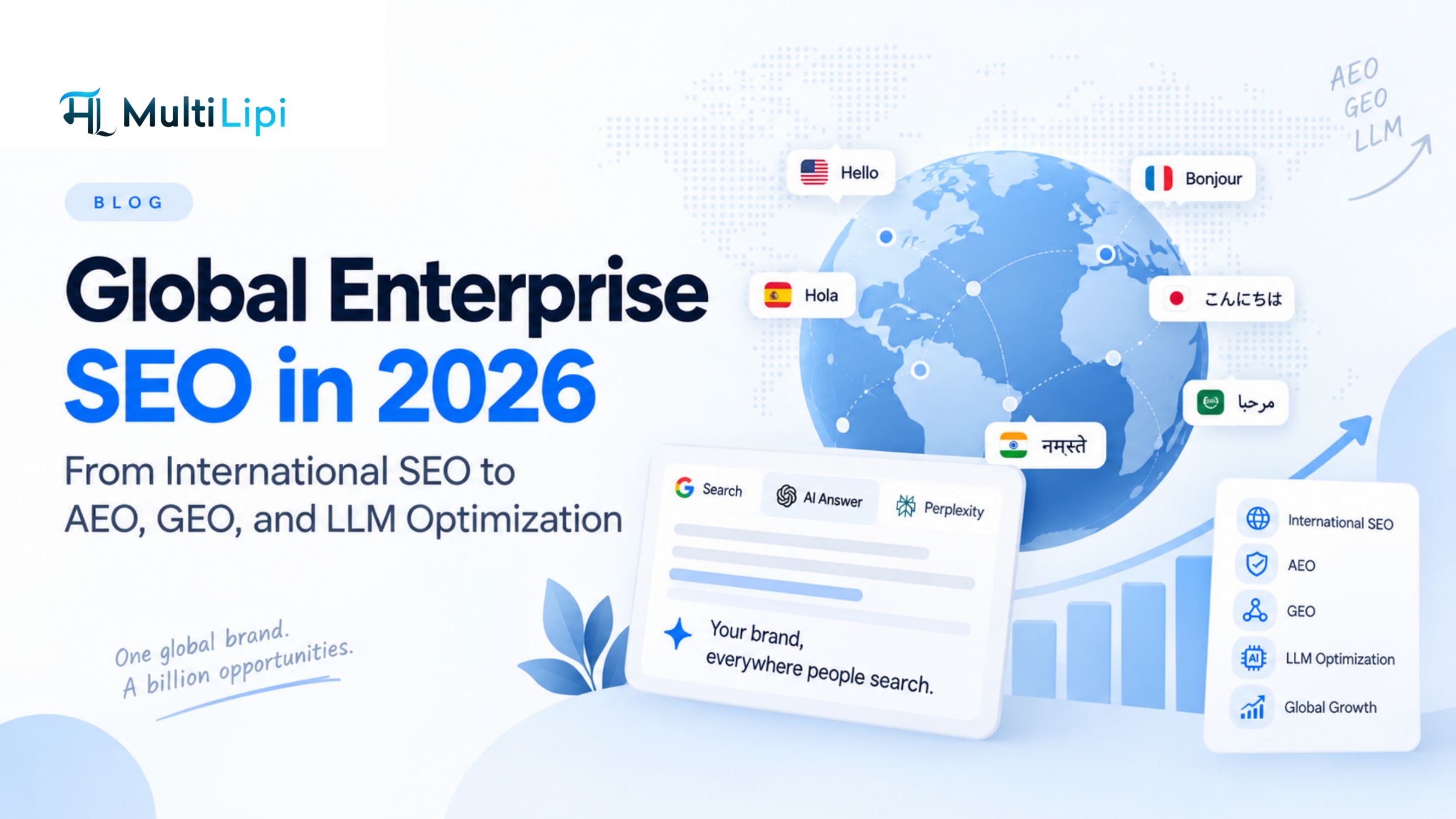
Le paysage numérique traverse actuellement une période d'instabilité structurelle profonde. Nous assistons à une transition d'un modèle de récupération centré sur les mots-clés vers une compréhension sémantique et basée sur les entités du web. Pour les cadres marketing et les professionnels de la recherche, l'anxiété entourant ce changement est fondée sur des données empiriques.
Le changement structurel
Les projections de Gartner indiquent que le volume traditionnel des moteurs de recherche devrait diminuer d'environ 25% d'ici 2026.
Cette contraction n'est pas indicative d'une diminution de la recherche d'informations ; elle reflète plutôt une migration comportementale vers des chatbots d'IA générative et des agents virtuels qui servent de "moteurs de réponse" substituts. Dans ce nouvel environnement, le "site Web" traditionnel n'est plus l'unité de valeur principale. La visibilité dépend désormais de la capacité d'une marque à être reconnue comme une "chose" — une entité vérifiée au sein du Knowledge Graph de Google — plutôt qu'une simple collection de chaînes de caractères et de mots-clés.
La crise générative : pourquoi les sites Web deviennent obsolètes
Le passage à l'optimisation pour les moteurs génératifs (GEO) est motivé par la montée en puissance des recherches sans clic, où les utilisateurs obtiennent des réponses complètes directement dans les résultats de recherche sans jamais visiter un site web source. Les statistiques suggèrent que plus de 50% des recherches se terminent désormais sans clic traditionnel, car le Knowledge Graph de Google, les aperçus d'IA et les extraits mis en avant satisfont l'intention de l'utilisateur instantanément.
Recherches sans clic
Les recherches se terminent sans visiter de site web
Le problème de l'exclusion silencieuse
Si une marque n'est pas établie comme une entité vérifiée dans le Knowledge Graph, elle reste effectivement invisible pour les grands modèles linguistiques (LLM) qui alimentent la recherche conversationnelle.
Pour comprendre comment combler ce fossé, explorez notre Guide GEO.
SEO Ontologique : Des "chaînes" aux "choses"
La transition de « chaînes de caractères à choses » représente un mouvement vers l'ontologie, l'étude formelle de la manière dont les entités et leurs relations sont structurées. Le Knowledge Graph de Google est un réseau sémantique qui traite l'information comme un graphe orienté, où les nœuds représentent des entités et les arêtes représentent les prédicats ou les relations entre elles.
Définition d'entité
Une entité est tout ce qui peut être identifié de manière distincte : une entreprise, une personne, un produit, ou même un concept spécifique. C'est une « chose » reconnue, existante, du monde réel, pas seulement une séquence de caractères.
En utilisant notre Analyseur SEO, les marques peuvent identifier leurs « lacunes d'entité » actuelles — des domaines où les moteurs de recherche manquent de confiance pour résoudre leur identité.
L'anatomie d'une entité de marque : Reconnaissance d'entités nommées (NER)
La construction d'une entité de marque implique la création délibérée de nœuds et d'arêtes au sein du réseau mondial de données. Ce processus commence par la Reconnaissance d'Entités Nommées (REN), une technique de traitement du langage naturel qui identifie et classe les entités dans le texte.
Cohérence NAP : Votre empreinte digitale
Nom
Nom de marque exact sur toutes les plateformes
Adresse
Données de localisation physique synchronisées
Téléphone
Numéro de contact répertorié uniformément
💡 Lorsque ces informations sont parfaitement synchronisées entre les annuaires, les médias sociaux et le contenu sur la page, le "score de confiance de l'entité" de la marque augmente. Pour vérifier la densité du nombre de mots et le gain d'informations de votre contenu axé sur les entités, utilisez le outil de comptage de mots.
Données structurées comme Code de confiance : Implémentation avancée de JSON-LD
Le balisage Schema, en particulier JSON-LD, sert de « couche de déclaration » d'une entité de marque. Il fournit aux moteurs de recherche des instructions explicites sur le contenu d'une page, allant au-delà de ce que les humains voient à ce que les machines comprennent.
Propriétés essentielles du schéma
Propriété de schéma
@id
Valeur stratégique
Identifiant canonique de la marque
Impact sur la marque
Empêche la fragmentation des entités
Propriété de schéma
sameAs
Valeur stratégique
Liens vers Wikidata, profils sociaux, Crunchbase
Impact sur la marque
Corrobore l'identité à travers les sources
Propriété de schéma
saitÀpropos
Valeur stratégique
Déclare l'expertise thématique
Impact sur la marque
Renforce les signaux E-E-A-T
Propriété de schéma
fondateur
Valeur stratégique
Connecte la marque à une personne reconnue
Impact sur la marque
Construit des clusters d'autorité d'auteur
Une avancée révolutionnaire dans ce domaine est l'"Injection de Schéma Auto-Traduit" de MultiLipi, qui localise chaque propriété de schéma, des titres de poste aux classifications sectorielles. En utilisant le générateur de schéma, les marques peuvent explicitement définir leur organisation comme une entité vérifiable dans le Knowledge Graph local de chaque marché cible.
Wikidata : Le pilier lisible par machine de l'autorité mondiale
Alors qu'un site Web sert de « domicile de l'entité », Wikidata sert de stockage central pour les faits structurés utilisés par les systèmes d'IA, les assistants vocaux et le Knowledge Graph. Wikidata est unique car il est indépendant de la langue ; chaque entité se voit attribuer un « Q-ID » (par exemple, Q183 pour l'Allemagne), qui reste constant quelle que soit la langue de la requête.
Le chemin d'intégration de Wikidata
1. Créer un Q-ID
Établissez votre entité dans Wikidata avec des paires propriété-valeur structurées
2. Lien de schéma
Pointez la propriété sameAs de votre schéma vers votre Q-ID Wikidata
3. Confiance de l'entité
Supprimez toute ambiguïté pour Google et les systèmes d'IA
Pour les organisations gérant des opérations mondiales à grande échelle, cela peut être géré efficacement via notre Support de 120+ langues.
Le rôle de llms.txt et de la gouvernance des robots d'exploration IA
Alors que la recherche évolue vers un modèle médiatisé par l'IA, les propriétaires de sites ont besoin d'outils pour contrôler la manière dont leurs données sont ingérées et représentées par les robots d'exploration des grands modèles linguistiques. La norme émergente de llms.txt sert de "robots.txt pour l'ère de l'IA".
Avantages de la gouvernance des robots d'exploration IA
Un fichier llms.txt bien configuré garantit que les systèmes d'IA privilégient les "faits d'entité" les plus pertinents plutôt que de parcourir des pages obsolètes ou non pertinentes.
Vous pouvez rapidement générer votre propre fichier directeur en utilisant le Générateur llms.txt pour garantir que le récit de votre marque reste sous votre contrôle.
Métriques techniques d'influence : Comprendre resultScore et Confidence
Le Knowledge Graph n'est pas une boîte noire ; sa santé peut être mesurée à l'aide de l'API Knowledge Graph Search. Lors de la recherche d'une entité via cette API, Google renvoie un resultScore ou « Score de confiance ».
Fiabilité de la source de données
L'autorité des sources fournissant la corroboration (par exemple, bases de données gouvernementales, institutions universitaires)
Cohérence
Dans quelle mesure les informations sont représentées uniformément sur le Web
Popularité
La fréquence à laquelle l'entité est mentionnée ou interrogée
Validation
Fréquence à laquelle les informations sont confirmées par d'autres points de données dans le Graph
Pour plus d'informations sur la façon de renforcer ce niveau d'autorité, consultez notre Blog de lancement GEO.
GEO multilingue : Traduire l'autorité dans plus de 120 langues
Pour les CMO modernes, la plus grande opportunité manquée est le GEO multilingue. Alors que la traduction traditionnelle remplace les mots pour les lecteurs humains, l'optimisation des moteurs génératifs multilingues construit une infrastructure pour les machines dans plus de 120 langues. Si l'autorité d'une marque n'est définie qu'en anglais, elle est effectivement invisible pour les millions d'utilisateurs interrogeant les assistants IA en espagnol, mandarin ou hindi.
Amélioration des citations dans les modèles d'IA
Réalisé grâce à une infrastructure d'entités localisées
Ce niveau de précision technique est ce qui conduit à une augmentation de 327 % des citations dans les modèles d'IA comme ChatGPT et Gemini. Apprenez-en davantage à ce sujet dans notre fonctionnalité de balisage d'entité aperçu.
Étude de cas : Sulit.ph et l'empreinte indexable 9x
La puissance de l'infrastructure automatisée basée sur les entités est mieux démontrée par Sulit.ph, une place de marché leader aux Philippines. Les places de marché sont confrontées à un problème de « contenu dynamique » où les listes changent chaque minute, rendant la localisation manuelle impossible.
Empreinte indexable
Google a reconnu des milliers de nouvelles pages de produits instantanément
Hreflang automatisé
Pénalités pour contenu dupliqué corrigées automatiquement
Slugs d'URL
Amélioration du CTR organique avec des liens localisés
Pour voir comment cela pourrait fonctionner pour votre entreprise, explorez notre Étude de cas Sulit.ph.
Recommandations stratégiques pour les CMO et les fondateurs
Pour survivre à la prédiction 25% face à la baisse de la recherche traditionnelle, les dirigeants de marque doivent passer du « SEO par mots-clés » à « l'entité d'abord par GEO ». La stratégie ne consiste pas à courir après la prochaine mise à jour de l'algorithme, mais à construire un nœud permanent et fiable dans le réseau mondial de données.
Auditez votre empreinte d'entité
Utilisez l'API Knowledge Graph pour voir si votre marque existe en tant que "chose" ou juste en tant que "site web".
Établir le domicile de l'entité
Affinez votre page "À propos" et déployez un schéma JSON-LD avancé à l'aide de nos outils.
Exploiter Wikidata
Créez ou enrichissez votre entrée Wikidata avec des références vérifiables et créez un lien croisé vers votre site.
Appliquer la cohérence NAP
Assurez-vous que le nom de votre marque et les faits sont identiques sur LinkedIn, Crunchbase et votre site officiel pour réduire les « taux d'ambiguïté ».
Optimisez pour les citations
Utilisez des tableaux, des listes à puces et des réponses directes dans votre contenu pour augmenter son « extractibilité » pour les modèles d'IA.
Gouverner les robots d'exploration IA
Déployez un fichier llms.txt pour contrôler la façon dont votre marque est résumée dans la recherche conversationnelle.
L'ère des citations a commencé
Ceux qui adoptent l'optimisation basée sur les entités de manière réfléchie protégeront la visibilité de leur marque, retrouveront leur temps pour la stratégie et favoriseront les connexions humaines qui construisent véritablement une marque mondiale à l'ère de l'IA.
Explorer les tarifs MultiLipi